

By Alex Ababio
For many Ghanaians, the phrase “24-Hour Economy” has sparked one immediate question: Will people now be forced to work day and night?
That misconception continues to dominate public debate. However, government officials insist the flagship policy is not about making employees work around the clock. Instead, they argue it is about fundamentally changing how Ghana produces goods, creates jobs and competes globally.
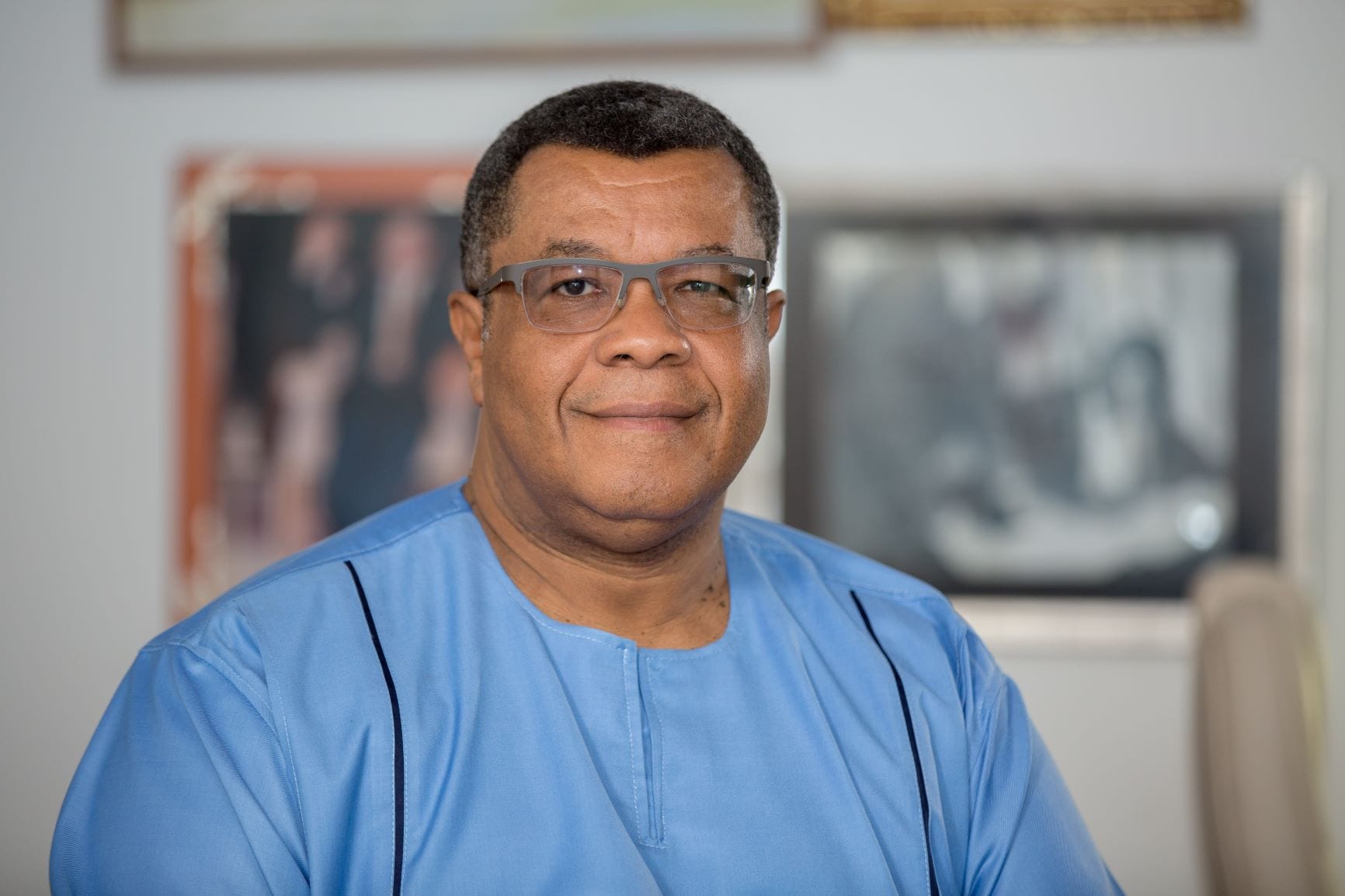
At the centre of that argument is Presidential Adviser on the 24-Hour Economy Authority, Augustus “Goosie” Tanoh, who says the initiative is designed to transform Ghana into a highly productive industrial economy rather than simply extending business operating hours.
His latest remarks come at a time when the government is pushing aggressive industrialisation, export expansion and private-sector investment as key pillars of national economic recovery.
Productivity, Not Longer Working Hours
Speaking through the Director of Partnerships at the 24-Hour Economy Authority, Ishmael Nii Amanor Dodoo, during the Made-in-Ghana Business Summit held in Accra on July 10, Mr. Tanoh stressed that the policy should not be misunderstood.
«”A 24-hour economy is, therefore, not merely about extending business hours. It is about transforming Ghana into a nation where opportunities are continuously created, industries operate efficiently, technology drives productivity, and every citizen has the opportunity to contribute to national development.”»
The summit, organised by the Entrepreneurs Foundation of Ghana under the theme “Unlocking Regional Potential: Driving Industrialisation, Youth Entrepreneurship, Job Creation and Made in Ghana Prosperity,” brought together government officials, business leaders, diplomats, investors and development partners to discuss practical ways of extending economic opportunities beyond Accra.
The Bigger Economic Question
Mr. Tanoh’s comments touch on one of Ghana’s longest-standing economic challenges: the country’s heavy dependence on exporting raw materials while importing higher-value finished products.
He argued that lasting prosperity cannot be achieved unless Ghana deliberately shifts toward value addition.
«”Ghana must move from exporting cocoa to producing premium chocolate, from exporting bauxite to manufacturing aluminium products, from exporting timber to producing quality furniture, and from exporting raw agricultural produce to becoming a leading exporter of processed foods.”»
According to him, industrialisation remains the most sustainable route to higher incomes because manufacturing creates value, stimulates innovation, expands exports and generates quality employment.
Consequently, he urged government and investors to prioritise sectors including:
– Manufacturing
– Agro-processing
– Pharmaceuticals
– Renewable energy
– Digital technology
– Textiles
– Automotive assembly
– Mineral beneficiation
These sectors, he believes, have the potential to significantly improve productivity while reducing Ghana’s dependence on imports.
Government’s Broader Vision
The latest remarks are consistent with Mr. Tanoh’s earlier public engagements since the launch of the 24-Hour Economy and Accelerated Export Development Programme.
Speaking at the Ghana CEO Summit in May 2026, he appealed to the private sector not to view the programme as a government project alone.
«”Do not see the 24-hour economy initiative as something that the Government is doing for you. Treat it as something we are doing together because it cannot succeed any other way.”»
Government officials say implementation has already attracted significant investor interest.
According to Mr. Tanoh, prospective investments exceeding US$11 billion have been mobilised under the programme, with projects spanning agriculture, manufacturing, logistics, renewable energy and export-oriented industries. Government estimates indicate these investments could ultimately support approximately 1.7 million direct, indirect and induced jobs if fully implemented.
While those projections remain government targets rather than completed outcomes, they illustrate the scale of ambition behind the initiative.
Youth Entrepreneurship at the Centre
One pillar repeatedly highlighted by Mr. Tanoh is youth employment.
He noted that more than 60 percent of Ghana’s population is below the age of 35, making youth entrepreneurship essential to economic transformation.
According to him:
«”A successful 24-hour economy must intentionally empower young entrepreneurs through affordable financing, skills development, incubation centres, digital infrastructure, simplified regulations and strong partnerships between government, academia and industry.”»
Economic analysts have consistently argued that improving access to finance, business incubation and technical skills remains essential if young businesses are to grow beyond the informal sector.
Why Industrialisation Matters
Development economists have long argued that countries relying primarily on raw commodity exports struggle to generate enough high-income jobs.
International institutions including the World Bank and the United Nations Industrial Development Organization (UNIDO) have repeatedly maintained that manufacturing and value addition improve productivity, increase export earnings and strengthen economic resilience by diversifying production beyond primary commodities.
Mr. Tanoh’s emphasis on processing cocoa, bauxite and agricultural products locally therefore reflects a strategy that aligns with widely recognised industrial development principles, although successful implementation will depend on investment, infrastructure, affordable energy, logistics and market access.
Revenue Growth Signals Economic Activity
The summit also highlighted encouraging revenue figures from the Ghana Revenue Authority (GRA).
Technical Advisor to the Commissioner-General of the GRA, Elsie Appau-Klu, disclosed that the Authority collected GH¢22.71 billion against a target of GH¢22.48 billion, exceeding its monthly objective.
According to her, the performance reflected strong contributions from both the Domestic Tax Revenue Division and the Customs Division.
She stated:
«”This is a genuine team effort, with both our Domestic Tax Revenue Division and our Customs Division crossing the finish line together.»
«Our responsibility is to help create an environment where businesses compete fairly, investors plan with confidence, entrepreneurs formalise and grow, and the government has the resources to invest in long-term national development.”»
Mrs. Appau-Klu, however, cautioned that the June achievement represented only one milestone toward meeting the Authority’s annual revenue target.
She also commended taxpayers and GRA staff, saying the performance reflected the collective efforts of all stakeholders.
Opportunities and Challenges Ahead
Although the government’s vision has received considerable attention, economists generally note that transforming an economy extends beyond policy announcements.
The success of the 24-Hour Economy will likely depend on whether Ghana can sustain macroeconomic stability, reduce the cost of electricity and financing, improve transport and logistics infrastructure, strengthen security for night-time commercial activity, expand digital connectivity and attract sufficient private investment into productive sectors.
Businesses will also require reliable electricity, efficient ports, skilled labour and predictable regulation if they are to operate multiple production shifts competitively.
Mr. Tanoh himself has repeatedly emphasised that participation will not be compulsory but driven by incentives that make expansion commercially viable.
The Bottom Line
The latest presentation at the Made-in-Ghana Business Summit reinforces a central message from government: the 24-Hour Economy is intended to be an industrial transformation agenda rather than a simple extension of working hours.
Whether Ghana ultimately succeeds will depend less on the slogan itself and more on execution—particularly the country’s ability to expand manufacturing, increase value addition, support entrepreneurs, improve productivity and create sustainable jobs.
For investors, manufacturers and young entrepreneurs, the coming years may determine whether the policy evolves into one of Ghana’s most significant economic reforms or joins the long list of ambitious development plans whose success depended on implementation.
For now, government maintains that the objective is clear: build an economy that produces more, exports more value-added goods, creates higher-paying jobs and positions Ghana as a competitive industrial hub in Africa. The real test will be whether policy translates into measurable improvements in productivity, industrial output and living standards across the country.