

By Alex Ababio
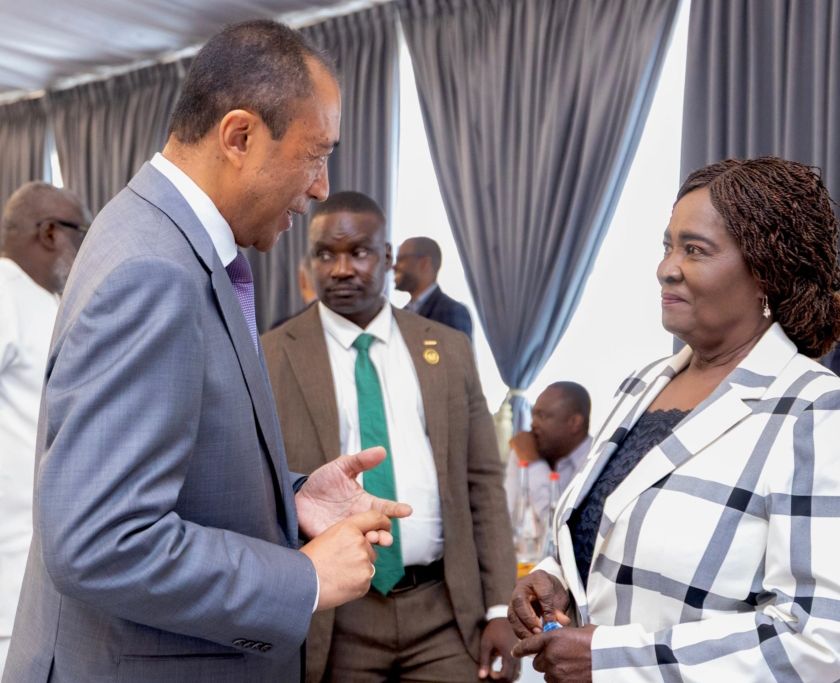
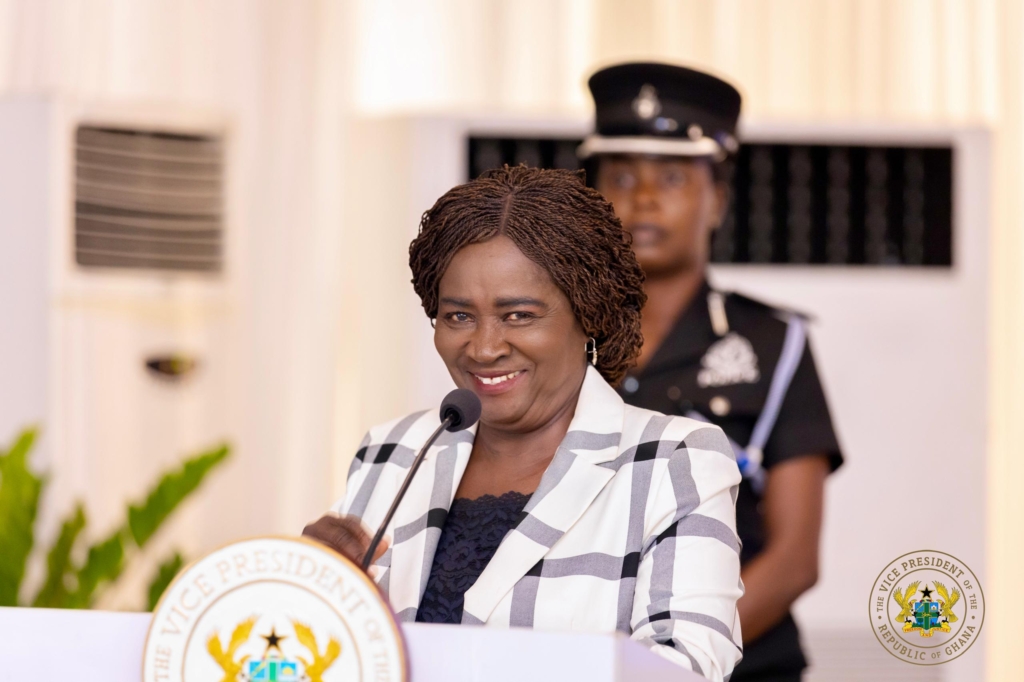
Accra, January 21, 2026 — In a substantive gathering that drew top International Monetary Fund (IMF) leadership, Ghana’s Vice President Professor Naana Jane Opoku-Agyemang delivered a comprehensive account of the country’s current economic trajectory, spotlighting gains in macroeconomic stability and the evolving nature of Ghana’s collaboration with the IMF.
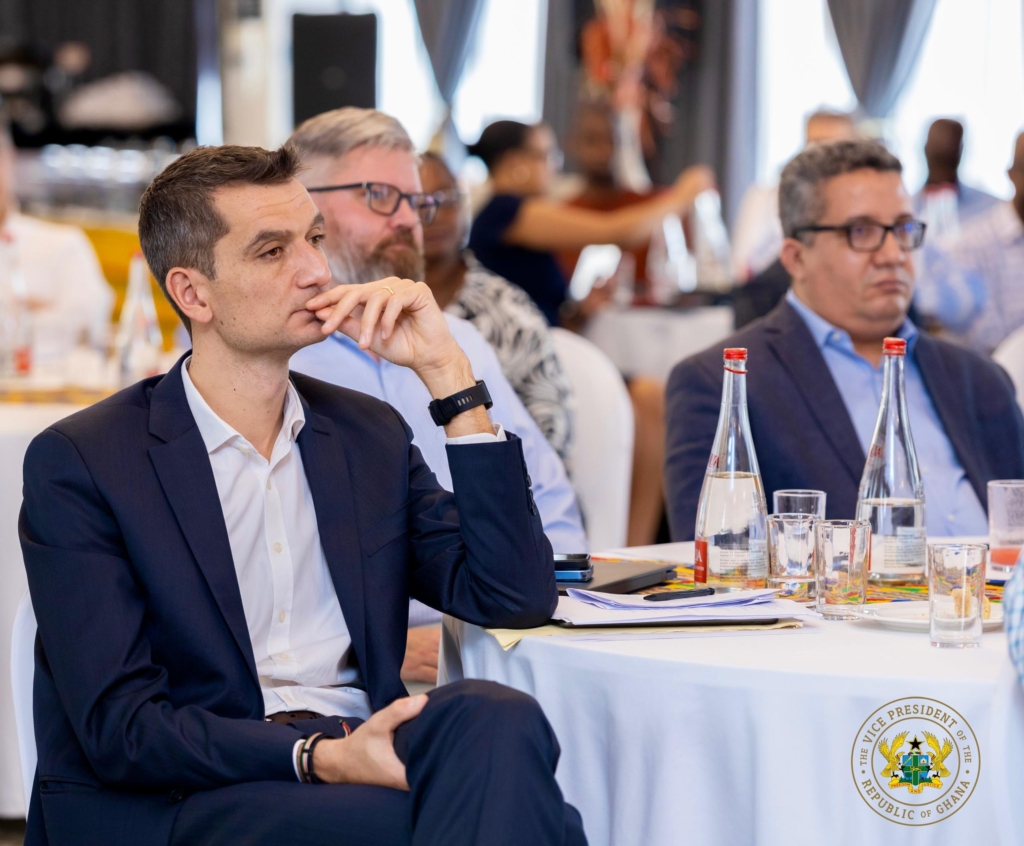
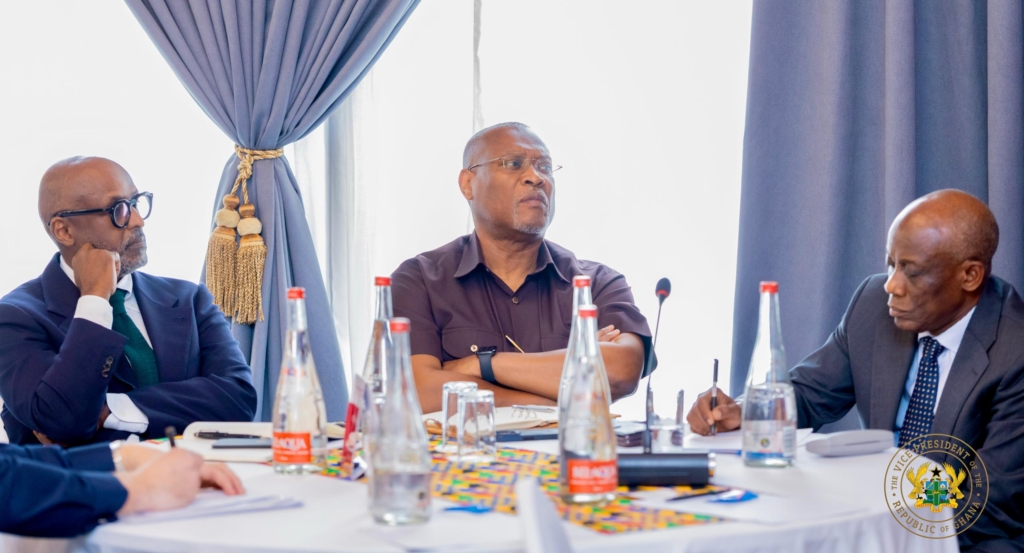
The meeting, held on January 20, 2026, brought together a coalition of IMF country and regional directors responsible for Africa. It also featured top Ghanaian policymakers, international economists, and sector experts who weighed in on Ghana’s progress, risks, and future policy needs.
“We are at an inflection point,” Professor Opoku-Agyemang told IMF officials. “Our recovery is real, grounded in reforms owned by Ghanaians, and sustained by the courage to take difficult decisions. But this must be the beginning of a deeper, more mature partnership with the IMF and the global community.”
Macroeconomic Progress: Evidence on the Ground
Ghana’s recent performance marks a dramatic departure from the pronounced instability of recent years. After weathering a serious financial downturn characterized by inflation surges and debt distress, the nation’s key macroeconomic indicators have now aligned with macroeconomic credibility benchmarks.
Inflation at Historic Lows
Headline inflation in Ghana has declined sharply, settling into single digits for the first time since 2021. Data from independent analysts shows that inflation fell to 5.4 percent in December 2025, well below the central bank’s target range, following sustained declines driven by monetary discipline, a stronger cedi, and targeted fiscal policy.
At the 127th Monetary Policy Committee meeting in Accra, Governor Johnson Pandit Asiama underscored this achievement. “We are entering what may become a multi-year era of price stability for Ghana. Inflation projected between four and six percent by year-end reflects the resilience of our macro-framework,” he said.
Cedi Strength & Financial Stability
After years of sharp devaluation, the Ghanaian cedi has appreciated significantly against the U.S. dollar, earning favorable projections from international ratings agencies. Standard & Poor’s upgraded its sovereign credit rating to B- with a stable outlook in late 2025, citing stronger exports, enhanced foreign reserves, and fiscal discipline.
Financial economists highlight that improved external buffers, including gold and cocoa export revenues, have buttressed the cedi’s performance and risen foreign exchange reserves to levels not seen since pre-crisis years.
Growth Outpacing Expectations
Growth data presents an encouraging picture. Real GDP expanded at steady rates through 2025, with strong contributions from services and agriculture. Independent assessments — including those by the IMF’s 5th ECF review — note that growth extended beyond projections, powered in part by robust exports.
This progress has helped Ghana exceed fiscal objectives. Finance Minister Dr. Cassiel Ato Forson pointed out that the country recorded an 11.1 percent primary fiscal surplus in 2025 — significantly above IMF estimates — marking a pivotal turnaround in fiscal health.
“Hard decisions and structural reforms have put us on this path,” Dr. Forson told Parliament, stressing that disciplined fiscal management was essential to long-term stability.
Emerging Confidence and New Strategic Priorities
While the Vice President acknowledged that international institutions, including the IMF, remain relevant to Africa’s economic wellbeing, she emphasised that the continent — and Ghana in particular — was increasingly able to chart its own development trajectory.
“Africans are ready to do more for themselves,” Professor Opoku-Agyemang said in her address. “This growing confidence should not be misconstrued as a rejection of cooperation. Rather, it demands partnerships that are equitable, respectful, and aligned with Africa’s development goals.”
Evolving IMF-Ghana Relations
Reaffirming President John Dramani Mahama’s strategic vision, the Vice President articulated that Ghana’s future relationship with the IMF should transcend periodic crisis lending and focus on long-term co-investment in development priorities.
“We welcome support, but it must be built on shared goals — not short-term fixes,” she said in a direct quote to IMF representatives.
IMF Resident Representative Dr. Adrian Alter responded positively: “The 2025 macroeconomic outcomes have been better than expected,” he said, adding that Ghana’s progress offers lessons for other emerging economies.
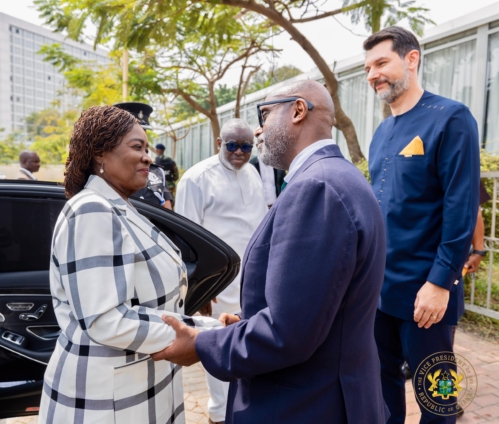
However, IMF headquarters has also urged caution. A recent IMF analytical briefing warned that risks such as energy sector vulnerabilities, fiscal slippages, and external shocks could undermine Ghana’s recovery if not systematically addressed.
Voices from Ghana’s Economic Community
Leading Ghanaian economists who participated in discussions echoed the complexity of the recovery.
Professor Emmanuel Boakye-Agyeman, Senior Economist at the University of Ghana, told this reporter, “Inflation declines and cedi stabilization are not abstract numbers. They translate into real confidence gains among investors and businesses. But converting stability into sustainable prosperity is the next—and more difficult—challenge.” His comments align with recent economic analyses warning that Ghana’s 2026 outlook depends on embedding reforms deeper into structural economic foundations.
Similarly, Dr. Rebecca Ocran, Director of the Centre for Fiscal Policy Innovation, stressed the importance of sectoral reforms. “Fiscal consolidation must be built on credible revenue administration and disciplined expenditure control combined with enhanced transparency in strategic sectors such as energy and agriculture.”
The Role of Structural Reform: Energy & Cocoa Sectors
Discussion turned to key structural issues raised in numerous reports. IMF conditionality and policy dialogue continue to highlight the energy sector’s debt drag and weaknesses in cocoa production chains that limit revenue potential.
A 2026 IMF-commissioned report noted that the energy sector’s legacy debts — exceeding $3 billion — and antiquated tariff structures remain a critical threat to macroeconomic credibility if unaddressed.
Simultaneously, cocoa sector inefficiencies — from aging plantations to smuggling — have meant Ghana lost some potential benefits from global cocoa price booms. Policymakers are now reviewing COCOBOD operations to improve output and coastal distribution.
Regional and Global Context
Ghana’s story unfolds amid broader trends across Sub-Saharan Africa, where regional growth forecasts have recently been lifted despite trade headwinds. The region is now projected to expand at around 4.3 percent in 2026, signaling resilience even as global markets adjust to shifting commodity prices and geopolitical uncertainty.
IMF Managing Director Kristalina Georgieva underscored these trends in a recent interview, emphasising that global economies are displaying surprising resilience even as trade shocks and inflation volatility linger.
Conclusion: From Recovery to Renewal
Ghana’s economic narrative in early 2026 is one of cautious optimism. The nation has made measurable progress across inflation, exchange rates, growth, and fiscal balance. Yet experts contend that the ability to turn stability into inclusive prosperity requires sustained reforms, deeper partnerships tailored to Ghana’s long–term priorities, and vigilant risk management.
As Vice President Opoku-Agyemang concluded in her remarks: “This is a new phase. We move forward not in reaction to crises, but in pursuit of development with dignity, resilience, and strategic vision.”
Economic stakeholders agree: Ghana’s journey is no longer about exiting a dire economic moment — it is about achieving the conditions that make long-term, resilient prosperity possible.